All Spots
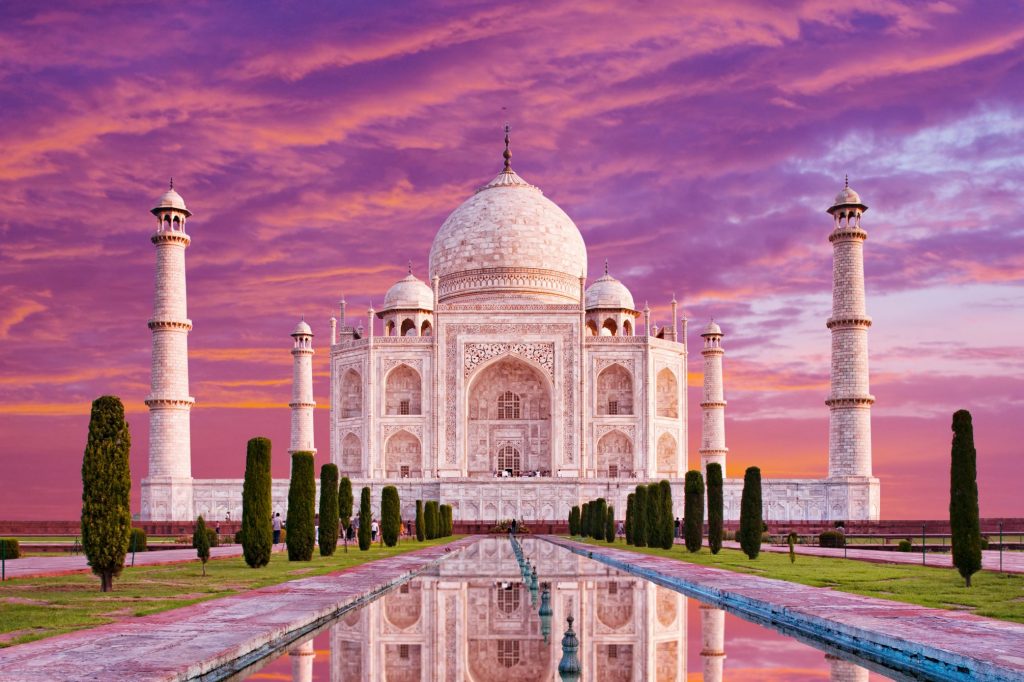
Taj Mahal
The Taj Mahal (/ˌtɑːdʒ məˈhɑːl, ˌtɑːʒ-/; lit. 'Crown of the Palace'),[4][5][6] is an Islamic ivory-white marble mausoleum on the right bank of the river Yamuna in the Indian city of Agra. It was commissioned in 1632 by the Mughal emperor Shah Jahan (r. 1628–1658) to house the tomb of his favourite wife, Mumtaz Mahal; it also houses the tomb of Shah Jahan himself. The tomb is the centrepiece of a 17-hectare (42-acre) complex, which includes a mosque and a guest house, and is set in formal gardens bounded on three sides by a crenellated wall.
Taj Mahal, Agra
View Taj Mahal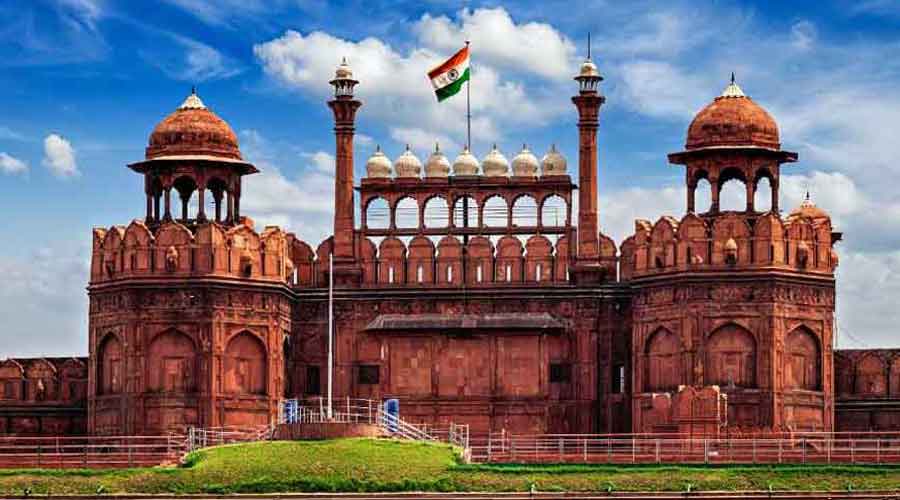
Red Fort
The Red Fort or Lal Qila (Hindustani: [laːlqiːlaː]) is a historic fort in Old Delhi, Delhi in India that served as the main residence of the Mughal Emperors. Emperor Shah Jahan commissioned construction of the Red Fort on 12 May 1638, when he decided to shift his capital from Agra to Delhi. Originally red and white, its design is credited to architect Ustad Ahmad Lahori, who also constructed the Taj Mahal. The fort represents the peak in Mughal architecture under Shah Jahan, and combines Persianate palace architecture with Indian traditions.
Red Fort, Delhi, India
View Red Fort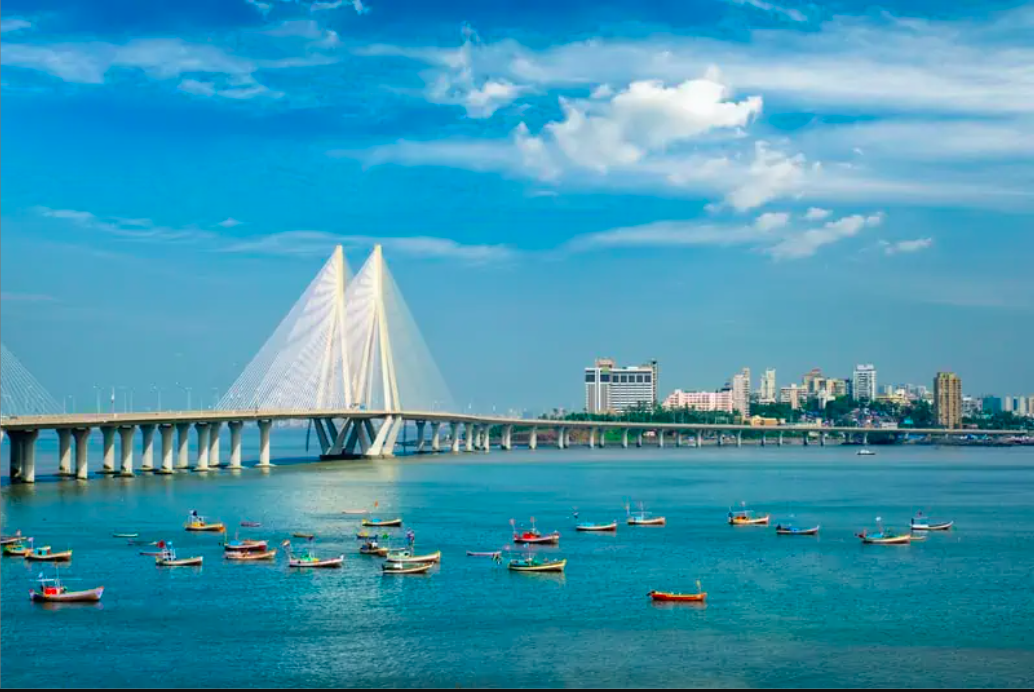
Sea Link
The Bandra–Worli Sea Link is a 5.6 km long, 8-lane wide bridge that links Bandra in the Western Suburbs of Mumbai with Worli in South Mumbai. It is the 4th longest bridge in India after Bhupen Hazarika Setu, Dibang River Bridge and Mahatma Gandhi Setu.
Bandra Worli Sea Link
View Sea Link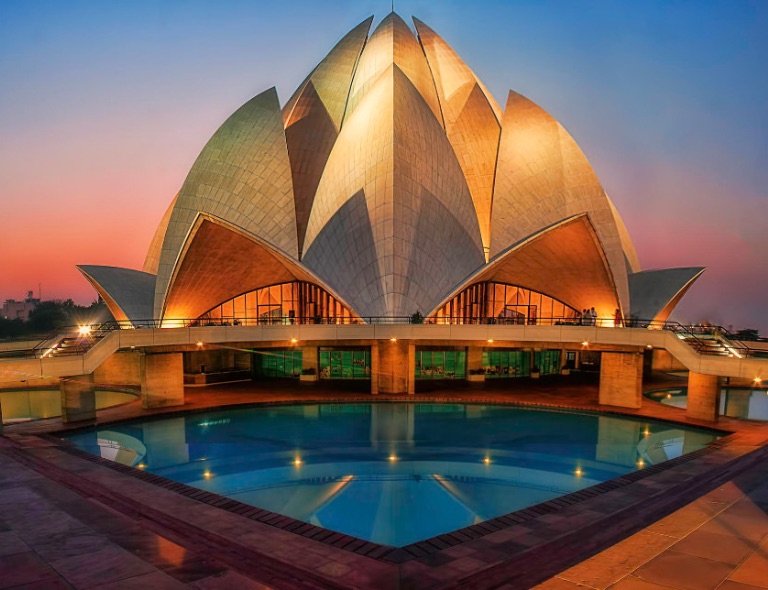
Lotus Temple
The Lotus Temple, located in Delhi, India, is a Baháʼí House of Worship that was dedicated in December 1986. Notable for its flowerlike shape, it has become a prominent attraction in the city. Like all other Bahá’í Houses of Worship, the Lotus Temple is open to all, regardless of religion or any other qualification. The building is composed of 27 free-standing marble-clad "petals" arranged in clusters of three to form nine sides,[1] with nine doors opening onto a central hall with a height of slightly over 34 meters[1] and a capacity of 1,300 people.[2] The Lotus Temple has won numerous architectural awards[3][4] and has been featured in many newspaper and magazine articles.[5]
Lotus Temple Delhi India
View Lotus Temple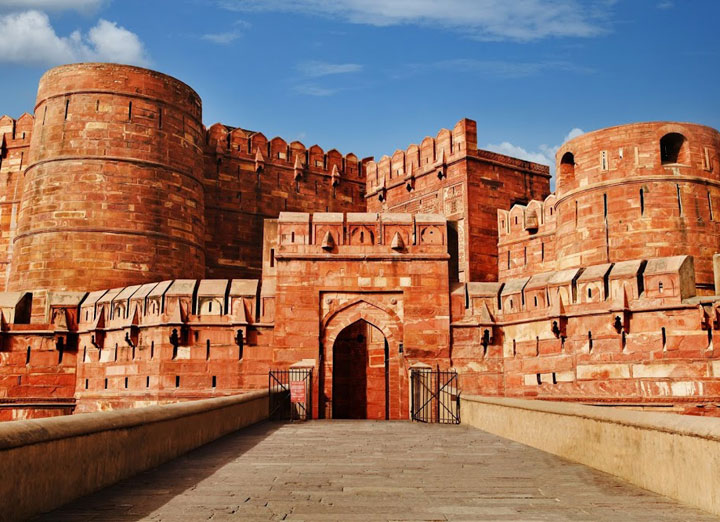
Agra Fort
The Agra Fort is a historical fort in the city of Agra, and also known as Agra's Red Fort. Mughal emperor Humayun was crowned at this fort. It was later renovated by the Mughal emperor Akbar from 1565 and the present-day structure was completed in 1573. It served as the main residence of the rulers of the Mughal dynasty until 1638, when the capital was shifted from Agra to Delhi. It was also known as the "Lal-Qila" or "Qila-i-Akbari".[1] Before being captured by the British, the last Indian rulers to have occupied it were the Marathas. In 1983, the Agra fort was inscribed as a UNESCO World Heritage Site because of its importance during the Mughal Dynasty.[2] It is about 2.5 kilometers (1.6 mi) northwest of its more famous sister monument, the Taj Mahal. The fort can be more accurately described as a walled city. It was later renovated by Shah Jahan.
Agra Uttar Pradesh
View Agra Fort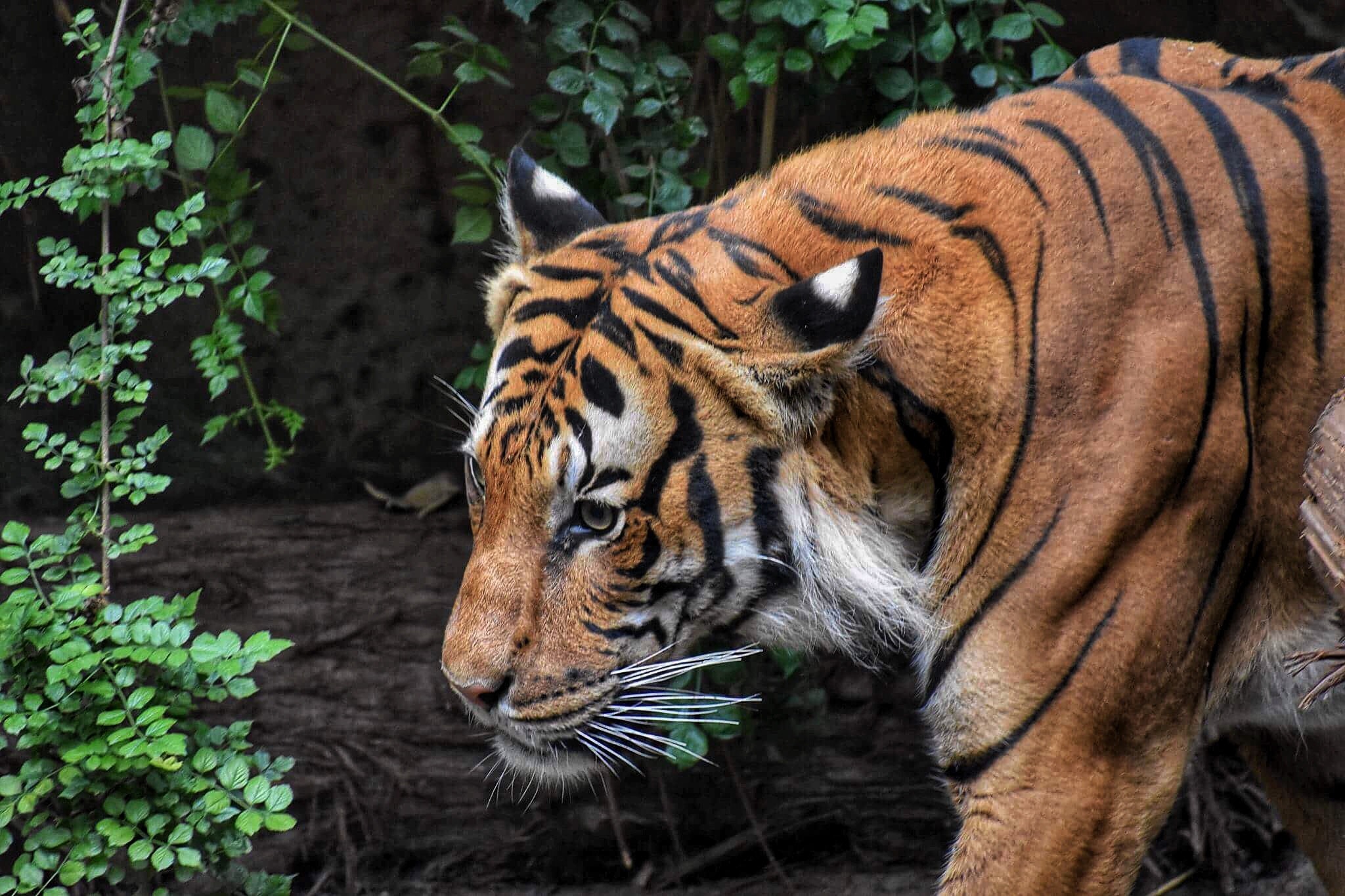
Bannerghatta National Park
The Bannerghatta Park has various units such as Zoo, Safari and Butterfly park spread over 731.88 Ha. The field activities of the biological park are many fold as it is classified as one of the major zoo in the state/country with a lot of scope for scientific development. The activities prevailing in the Biological Park are Maintenance of zoo - which exhibits varieties of birds, reptiles and mammals within the well maintained enclosures. Running and maintenance of safaris - drive of the tourists through the animals' enclosures in the vehicles i.e. tigers, lions, bears and herbivores safaris and also for breeding of endangered species of animals /ungulates; Rescue Centers to provide life time facilities to the rescued animals like tigers, lions and bears from circuses, madharies etc., Butterfly park; Nature camp for the people those wish to stay and study the flora and fauna in forests; tourism and facilities to visitors; feeding and health care to captive animals; with inbuilt administrative set up to manage all the affairs of the Bannerghatta Biological Park
Bangalore, India
View Bannerghatta National Park